
Some of the articles on Casa Diem Life may contain affiliate links. If you click and make a purchase, I might earn a small commission at no extra cost to you. It's just one way we keep the journey going! Find out more in my Privacy Policy.
How to Decorate with Global Textiles for a Travel-Inspired Space
My favorite feeling in the world is the weight of my comforter on a tired body. I’m guilty of pulling my covers up over my head and luxuriating in my cocoon until I remember that oxygen is my friend and pop back into the real world.
Indulging in textiles is a game-changer in determining the look and feel of your home. Knowing that plush, heavy blankets help me daydream, I make sure to keep all textiles in my work area thin and stiff to maintain my focus. The rich textures, patterns, and colors of global textiles have transformative power.
Textiles carry the soul of where they come from—a Moroccan rug can ground a room with warmth, while a Peruvian throw instantly adds a touch of luxury. They’re more than accents; they’re stories woven into your space.
No Time To Read It All?
Textiles are the secret to transforming any room from ordinary to soulful. Use them with intention—layer light and heavy fabrics, mix smooth with nubby, and let color and texture guide the mood of your space. For effortless harmony, balance airy materials with weighty ones to create depth and warmth without clutter. And when you shop, choose ethically sourced or vintage textiles that honor the artisans and stories behind every stitch.
In case textiles aren’t your thing, here are some other ideas for Global Decor and Bringing Travel Home.
How to Decorate with Textiles
We do everything with intention around here, so you’re not going to drape a chunky knit blanket over the back of your couch and call it day.
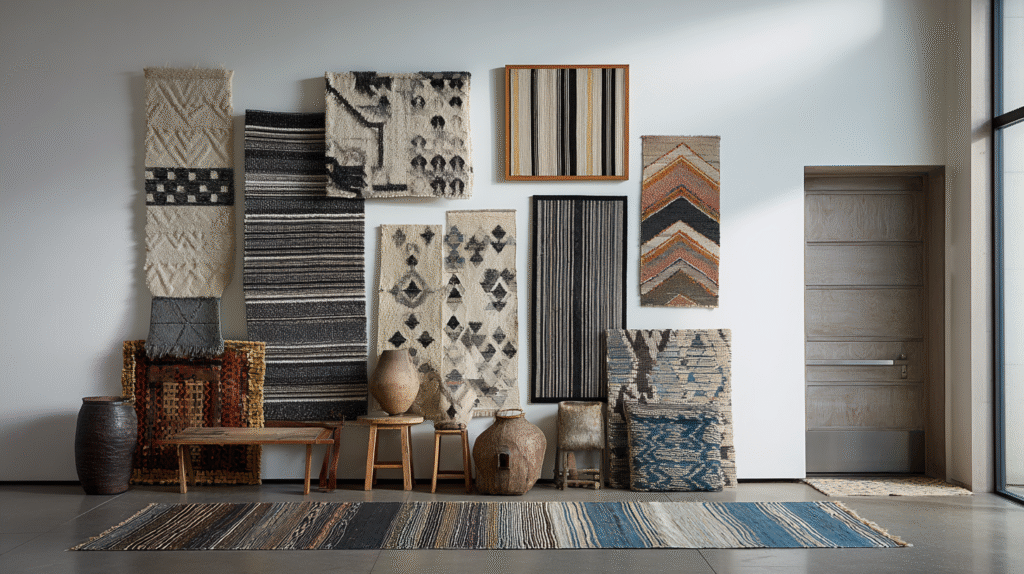
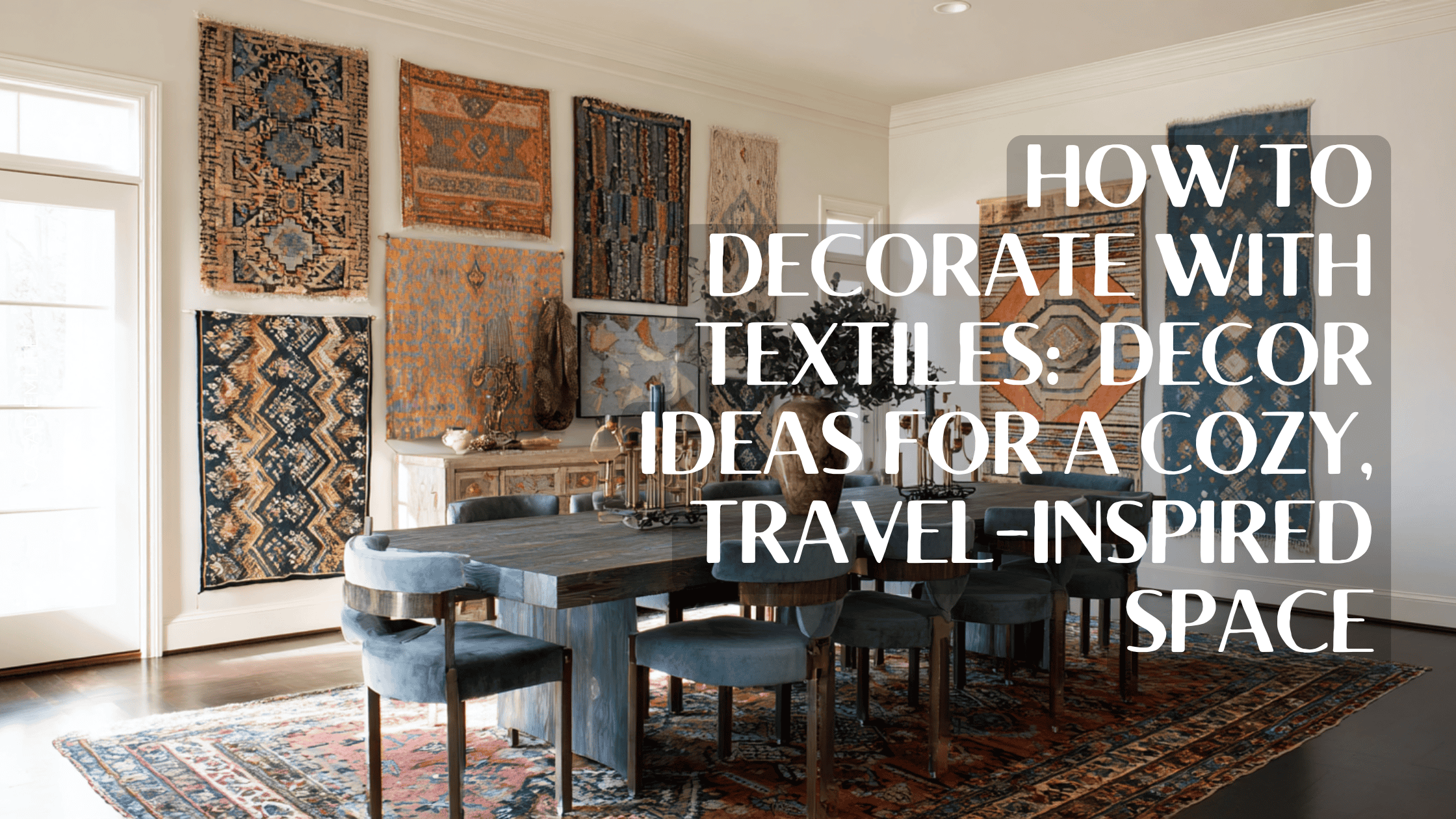
When decorating with textiles, don’t limit yourself to pillows and blankets. A handwoven tapestry can double as wall art, a vintage kimono can serve as a dramatic divider, and even small remnants can be framed into a gallery wall. These creative touches bring depth, color, and a tactile sense of travel-inspired living that feels personal and intentional.
To maximize coziness, try to layer or contrast textures throughout the home.
Think about weight first: a light linen throw layered under a heavier wool blanket adds depth without feeling fussy, while velvet cushions mixed with soft cotton or bouclé pillows create dimension that invites you to sink right in. Layering works best when it feels balanced—pair airy with substantial, smooth with nubby, refined with rustic.
Contrast is equally powerful. A linen runner on a wooden table feels effortless, while silk napkins against matte ceramic plates bring a sense of quiet luxury. You might place a woven jute rug beneath a plush sheepskin or style a patterned Turkish kilim beside a sleek leather ottoman.
The beauty is in the interplay—the way one material makes the other stand out.
A few things to keep in mind: more texture often means more maintenance. Natural fibers and heavier weaves can attract and retain dust, so factor in regular cleaning. Consider durability too—delicate textiles may be best as accents rather than everyday workhorses. And above all, stay intentional: let every layer tell a story about comfort, culture, and connection in your home.
Ideas for Decorating with Global Textiles
If you’ve fallen in love with the look and feel of global textiles, this is where the fun begins. If you keep things subtle and think of each fabric as both art and story, these pieces can transform your home into a reflection of your travels and values.
An Upholstered Headboard
Create a luxurious and comfortable focal point in your bedroom by upholstering your headboard with a richly textured fabric. Choose a fabric with a tactile quality, such as velvet, linen, or a woven tapestry.
Fabric As Art
Instead of a traditional painting, try putting highly textured fabric behind glass for a dramatic contrast. Choose global textiles with intricate patterns or textures, such as batik prints, tapestries, or Suzani textiles. If, like me, you’re a lover of photography, try framing close-up shots of interesting materials. This will give you a sleeker, more modern feel.
Draping
For a unique touch, hang lightweight fabrics vertically. Patterned curtains bring a playful, maximalist element into your space, while sheer netting over a canopy bed creates an ethereal effect. A fun DIY project could be creating a gallery of fabric-wrapped hanging lights that would make an A1 conversation starter.
Textured Accent Walls
Instead of using traditional wallpaper or paint, explore fabric-covered accent walls. Apply fabric to a portion of or the entire wall using starch or fabric adhesive. This technique adds texture and visual interest, and you can easily change the fabric if desired.
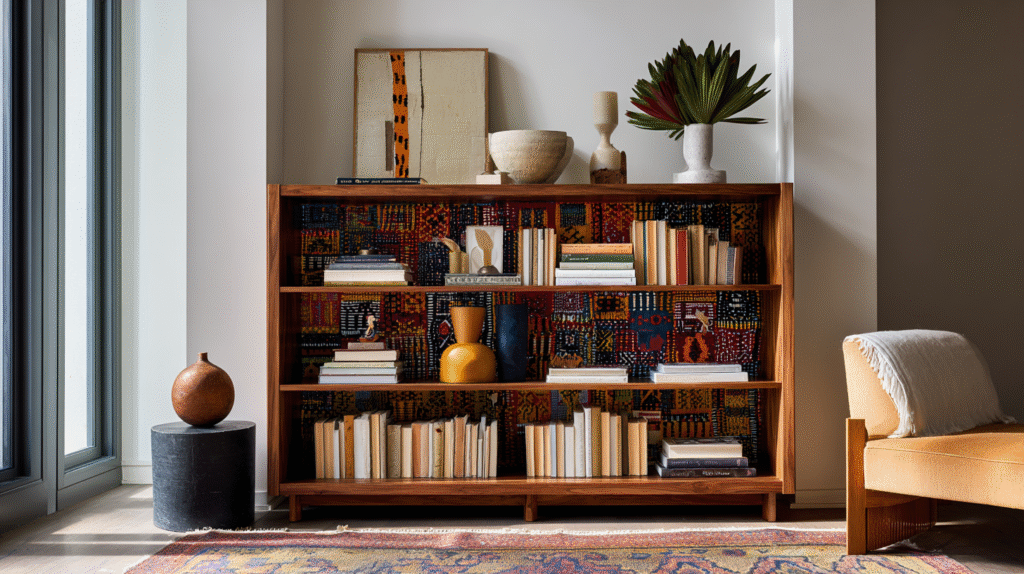
Textile-Backed Shelving
Add a touch of softness to your shelves by adding fabric backings. Cut fabric panels to fit the shelves’ dimensions and attach them with removable adhesive or fabric-friendly tape. This adds color and texture to your display items while giving a unique backdrop to your shelving.
Remember that textiles are merely the beginning. When paired with a diverse array of textures — such as the natural grain of wood, the sleek coolness of marble, or the industrial edge of cement —the possibilities for crafting a dynamic and immersive living space truly become limitless.
A Note on Sourcing Global Textiles for Your Decor
When sourcing global textiles for your home, please prioritize ethical practices that support sustainability, fair trade, and the preservation of traditional craftsmanship.
By choosing global fabrics that follow fair trade principles and sustainable practices, you can create a home that reflects your values and supports a more equitable world.
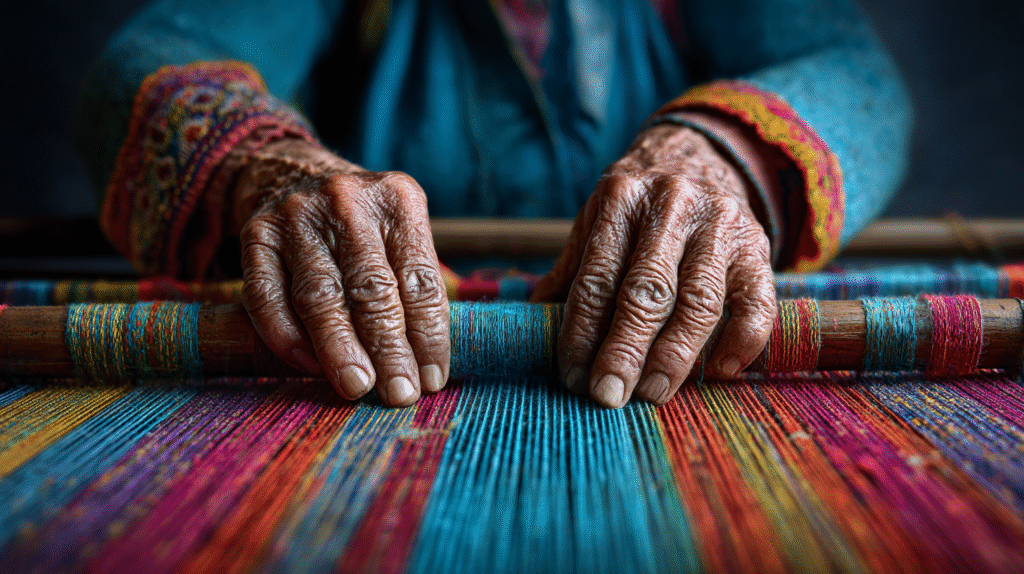
Here are some ways to ethically source global textiles:
Fair Trade Organizations
Look for fabrics sourced from fair trade organizations that prioritize fair wages, safe working conditions, and sustainable practices. These organizations often work directly with artisans and weavers, ensuring that they receive fair compensation for their skills and cultural heritage.
Some fair trade resources to look into include The Fair Trade Federation – to learn more about fair trade in global textiles and other goods, and Ten Thousand Villages where you can find ethical, hand made home decor items.
Artisan Cooperatives
Support artisan cooperatives and independent artisans who create fabrics using traditional techniques. These collaborations empower local communities, preserve cultural traditions, and ensure that artisans receive fair payment for their work.
Sustainable and Natural Materials
Choose fabrics made from sustainable and natural materials. Look for options such as organic cotton, hemp, linen, and silk produced sustainably. These materials are renewable, biodegradable, and have a lower environmental impact compared to synthetic alternatives.
Vintage and Upcycled Fabrics
Consider using vintage or upcycled fabrics for your home projects. Thrift stores, vintage markets, and online platforms offer a wide range of unique and beautiful pre-loved fabrics that can be repurposed for your decor. Using vintage fabrics reduces waste and gives textiles a second life.
Research and Transparency
Prioritize brands or retailers that provide transparency about their sourcing practices. Look for information on their supply chain, working conditions, environmental impact, and certifications. Brands that openly share their values and practices demonstrate a commitment to ethical sourcing.
Direct Trade
Consider purchasing fabrics directly from artisans or cooperatives during your travels or through online platforms. Engaging in direct trade fosters a more equitable relationship between you, as the consumer, and the artisans, ensuring they receive fair compensation for their craftsmanship.
Collaboration with Local Communities
Consider collaborating with local artisans or communities to create custom fabrics or commissioned pieces. This allows you to directly support and empower these artisans while still obtaining unique, personalized textiles for your home.
Remember, ethical sourcing involves considering the social, environmental, and economic impact of your choices.
For more ideas about how to decorate with your fellow humans in mind, read my article 10 Sustainability Tips for Eco-Friendly Travel and Design.
Textiles aren’t just decor—they’re comfort, culture, and character woven into your everyday life. Layer them, play with them, and let them tell your story.
This week, try swapping in one new textile—a throw, a rug, even a framed fabric remnant—and see how it transforms your space. Then come back and tell me: what did you choose, and how did it change the vibe of your home?
Feeling Inspired? Pin it for Later!


Want the 'how' after the inspiration?
The WanderHome newsletter is where you'll find more in-depth guides, design notes, and a few life updates to help daily life feel a little softer.
I'll send my Home Health Checklist to help you pinpoint what already works and what's quietly causing you stress in your home.

Hi, I’m Chioma — a spirited explorer and interior designer with a soft spot for a full table. I help travel-lovers bring that vacation feeling home through travel-inspired design, simple hosting rituals, and storytelling that makes daily life feel richer. Read more…